

Pro Richard Colon Bonilla El gobierno municipal asegura que la corporación pública no procura que se cumplan los acuerdos establecidos […]
Menu
Close


Menu
Close



Edwin J. Viera
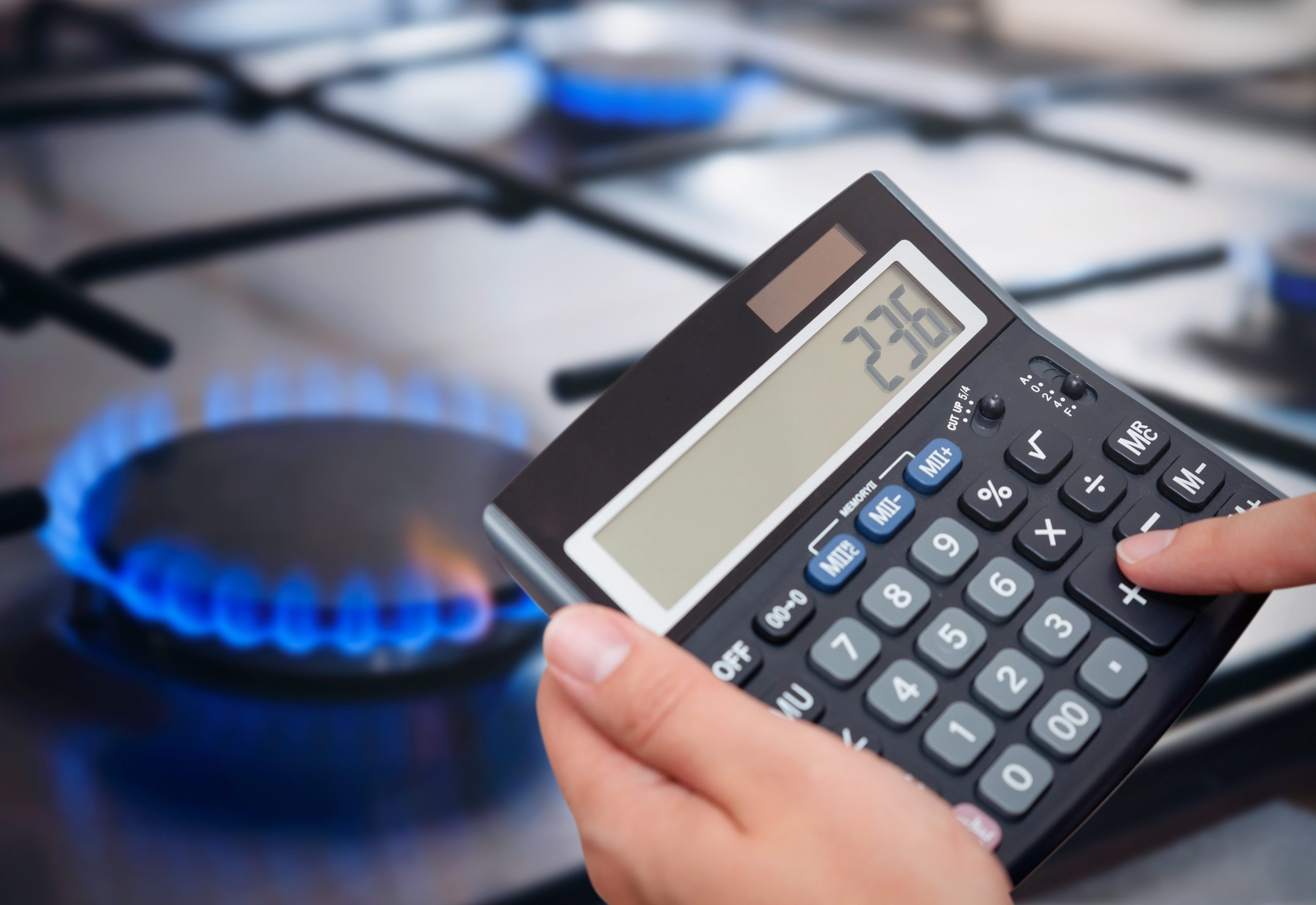
New York’s Public Service Commission has approved a three-year rate increase for National Grid.
The more than 19% rate increase will impact Brooklyn, Queens, Staten Island and Long Island ratepayers starting Sept. 1. People will see an initial $30 increase in their bills this year. Outer borough residents will see rates grow $31 by 2026. Long Islanders will see a $27 rate increase in the same period.
Chris Casey, New York utilities regulatory director for the Natural Resources Defense Council, called it a step backward for New York’s climate goals.
“This decision really undermines the goals and is prolonging our reliance on fossil fuels,” Casey contended. “Which will increase costs for customers and delay the clean energy transition.”
The money from the rate increases will finance capital investments in methane gas and help the company replace 351 miles of gas distribution pipes. New Yorkers were split on the rate case. Those who opposed it said it was too expensive or felt the state should move to renewable energy. Supporters countered it creates well-paying union jobs and improves reliability by removing leak-prone pipes.
Despite the approval of the increase going forward, New York is already moving away from using gas. The 2023 All-Electric Buildings Act bans natural gas and other fossil fuels in new buildings. Other bills continuing the work include the New York HEAT Act.
Casey noted the bill lets the Public Service Commission align utility companies with the state’s climate laws.
“In particular, there’s some provisions in the Public Service laws that effectively create a right to natural gas,” Casey pointed out. “It enables the companies to provide gas to anybody who wants it in their service territories.”
He added the provision makes it harder to manage the natural gas system and transition it to one aligned with the state’s clean energy goals. The HEAT Act could cut utility bills nearly in half for one in four energy-burdened New Yorkers. Part of the bill ensures no household pays more than 6% of its annual income on gas or electricity bills.New York’s Public Service Commission has approved a three-year rate increase for National Grid.
The more than 19% rate increase will impact Brooklyn, Queens, Staten Island and Long Island ratepayers starting Sept. 1. People will see an initial $30 increase in their bills this year. Outer borough residents will see rates grow $31 by 2026. Long Islanders will see a $27 rate increase in the same period.
Chris Casey, New York utilities regulatory director for the Natural Resources Defense Council, called it a step backward for New York’s climate goals.
“This decision really undermines the goals and is prolonging our reliance on fossil fuels,” Casey contended. “Which will increase costs for customers and delay the clean energy transition.”
The money from the rate increases will finance capital investments in methane gas and help the company replace 351 miles of gas distribution pipes. New Yorkers were split on the rate case. Those who opposed it said it was too expensive or felt the state should move to renewable energy. Supporters countered it creates well-paying union jobs and improves reliability by removing leak-prone pipes.
Despite the approval of the increase going forward, New York is already moving away from using gas. The 2023 All-Electric Buildings Act bans natural gas and other fossil fuels in new buildings. Other bills continuing the work include the New York HEAT Act.
Casey noted the bill lets the Public Service Commission align utility companies with the state’s climate laws.
“In particular, there’s some provisions in the Public Service laws that effectively create a right to natural gas,” Casey pointed out. “It enables the companies to provide gas to anybody who wants it in their service territories.”
He added the provision makes it harder to manage the natural gas system and transition it to one aligned with the state’s clean energy goals. The HEAT Act could cut utility bills nearly in half for one in four energy-burdened New Yorkers. Part of the bill ensures no household pays more than 6% of its annual income on gas or electricity bills.
Pro Richard Colon Bonilla El gobierno municipal asegura que la corporación pública no procura que se cumplan los acuerdos establecidos […]
By Nolan D. McCaskill WASHINGTON, July 1 (Reuters) – Progressive Democrats delivered big upsets in Colorado on Tuesday night, with […]
Welcome to the first full week of World Cup knockout matches, where dreams will be made and hearts broken all […]
)